Spain
How to choose a DJ for a brand activation
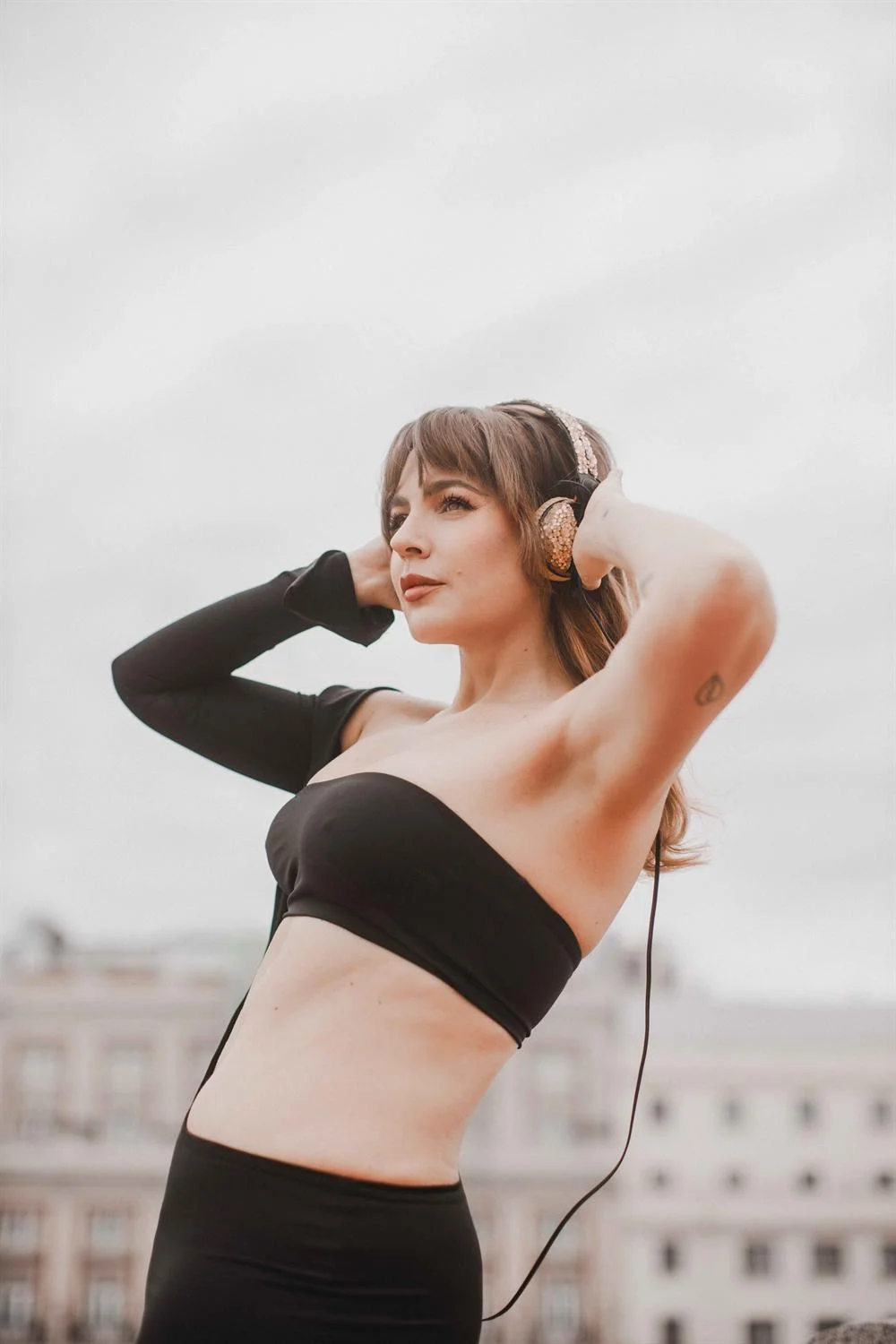
Choose a DJ for a brand activation the way you would hire live creative direction, not just someone to play tracks. The right fit understands your brand image, the audience behavior you want at each moment, and can prove that fit through a proposal, references, a rider and clear terms.
1. Start with brand fit, not genre labels
Your first filter is not whether the DJ plays house, disco or open format. It is what the activation needs to do. A product reveal, an editorial showroom, a VIP cocktail, a fashion presentation and a late evening brand party all require different pacing, restraint and audience reading. Ask the DJ how they would interpret your brand tone, guest profile and desired behavior: conversation, dwell time, social content, sales support or a stronger energy curve.
Set role boundaries early. A DJ is not automatically an MC, a sound supplier or a lighting designer. If your activation needs voice announcements, speech microphones, reinforced sound, extra backline or lighting cues, state that explicitly. Many event problems come from assuming one person will cover the entire guest experience. Clear separation between music curation, live performance and technical production makes proposals easier to compare and reduces operational surprises.
2. Build a brief that helps live decision-making
A useful music brief should cover brand identity, audience mix, event schedule, city, venue type, dress code, visual references, messages you do not want to project and a do-not-play list. Just as important, define the outcome you want: polished arrival energy, premium but unobtrusive networking, steady momentum without killing conversation, a gradual build or a stronger finish. This matters because a DJ makes real-time choices and needs criteria, not only vague adjectives such as elevated or trendy.
Break the activation into moments. Think arrival, press welcome, founder speech, networking peak, content capture, final drink and close. For each block, note approximate duration, energy level and restrictions. Then ask how the DJ would shift selection across those phases and how much improvisation they would keep based on audience response. That answer tells you whether you are hiring a fixed playlist operator or someone who can truly shape the room in real time.
3. Treat rider, setup and soundcheck as brand issues
Technical planning affects brand perception more than many teams expect. Ask for the rider and confirm who provides each element: booth, mixer, players, booth monitors, PA, microphones, technician and load-in schedule. If the venue has a house system, a sound limiter or strict noise rules, you need that information before approval. A DJ may be creatively right for the brand and still be the wrong booking if the setup prevents reliable execution.
For Luceral, the official rider lists CDJ-3000 or CDJ-2000 Nexus 2 and a DJM-A9 or DJM-900 Nexus 2 as preferred configurations, plus suitable booth monitors; all of that must be confirmed per event. Her EPK presents her as a DJ and music curator active since 2007, building concepts around the space, the brand and the audience rather than one fixed genre. That flexibility is useful, but availability, duration, travel, equipment and soundcheck still need confirmation.
4. Compare proposals by scope, not by popularity
Do not compare DJs only by name recognition, social clips or a general mood reel. Ask for a proposal that addresses your specific activation: creative approach, coverage hours, number of sets, setup timing, technical needs, travel, point of contact and extra-time terms. If the event is outside Madrid or in another country, confirm travel, accommodation, permits, tax handling and coordination with local suppliers. What looks like a simple booking can change significantly once logistics are real.
Your contract should state exact performance times, venue access, overrun policy, cancellation terms, illness substitution, force majeure, image rights if you are filming content and boundaries around guest requests. If the quote is bespoke, as with a premium service, ask what drives the budget: date, duration, travel, equipment, technician support, complexity of setup, rehearsal or soundcheck, and whether there are multiple appearances on the same day. That is how you compare actual scope rather than isolated numbers.
5. Check relevant experience and pressure-test contingencies
Relevant experience is not just about years or crowd size. It is about context. Look for evidence that the DJ has worked in settings close to yours: fashion, beauty, hospitality, brand experiences, clubs or festivals, depending on your brief. Public sources place Luceral in fashion- and beauty-linked presentations and her own site lists brand experiences among her services. That can be relevant if your activation needs visual sensitivity and audience adaptation, but you still need to validate the exact fit for your event.
Before you sign, close the operational gaps. Ask about rain plans, fallback indoor location, venue curfews, sound restrictions, songs to avoid, live client requests, schedule delays and what happens if house equipment fails. Also confirm who decides if a speech runs long, whether the set can be extended and what happens if there is no proper soundcheck. The best final comparison is simple: what is included, what is excluded, what production support is required and which risks are already covered.
Booking checklist
- Define the DJ’s role versus technical production responsibilities
- Share brand brief, audience, timings and do-not-play list
- Confirm rider, booth monitors, microphones and venue limiter
- Request setup timings, travel terms, soundcheck and overtime policy
- Review cancellation, illness cover, rain plan and force majeure
- Compare included and excluded scope before approving the booking
Frequently asked questions
Should I choose based on music style or brand affinity?
Both, but in that practical order: first brand and event fit, then musical language. Two DJs can overlap stylistically and still produce very different outcomes if one understands timing, guest flow and tone while the other simply arrives with a fixed selection and no room-reading strategy.
Do I need a locked playlist before the activation?
Usually no. A better approach is to agree on musical territory, references, a no-go list and phase-by-phase intent. A fully locked playlist removes the DJ’s ability to respond to guest behavior and timing changes. Only lock exact tracks when choreography, runway cues, speeches or precise sync points require it.
Who should provide sound, microphones and the technician?
Never assume the DJ covers all of that. Sometimes the venue provides it, sometimes the agency, and sometimes the DJ only handles the artistic side. Confirm in writing who supplies PA, mixer, microphones, cabling, booth monitoring, technician support and testing time. For press or speeches, audio control matters as much as music selection.
How can I assess whether Luceral fits a brand activation?
Review her official EPK and published sets to understand range and approach, then test whether your event needs that kind of adaptation to space, audience and moment. Publicly documented work spans fashion, brand experiences, club and festival contexts, but you still need to confirm availability, format, duration, travel, rider, soundcheck and legal or technical requirements.